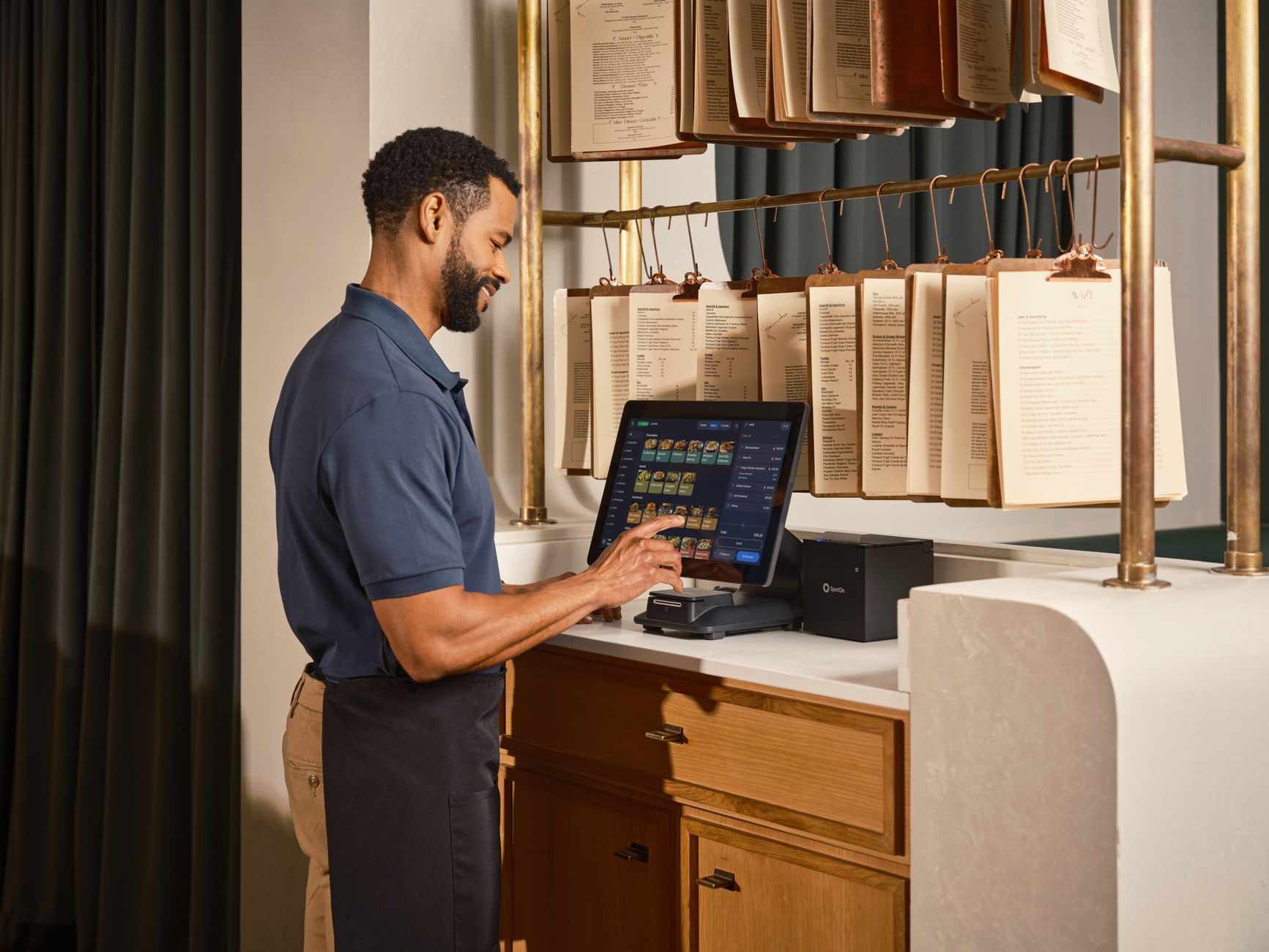
TL;DR: FreeAgent is the best accounting software for most UK freelancers — it’s built specifically for the UK market, handles Self Assessment automatically, and connects directly to HMRC. If you need more invoicing polish, FreshBooks is worth a look. If you’re VAT-registered with complex needs, go with Xero.
Why We Tested These Tools
There are roughly 4.2 million self-employed people in the UK, and almost all of them have to deal with Self Assessment — yet most accounting software reviews are written for US audiences and treat HMRC as an afterthought. With MTD for Income Tax arriving in April 2026, software choice is about to matter a lot more than it used to.
We spent four weeks putting the most popular accounting platforms through their paces specifically from the perspective of a UK freelancer. That means sole traders, limited company contractors, and anyone juggling irregular income, multiple clients, and the perennial stress of the January 31st deadline.
We set up trial accounts, imported real transaction data, tested bank feeds, created invoices, and walked through the MTD VAT filing process on each platform. We also reviewed HMRC compatibility, CIS support, and how each tool handles the Self Assessment deadline — because that’s what actually keeps UK freelancers up at night.
The shortlist: FreeAgent, QuickBooks Self-Employed, Xero, FreshBooks, Sage Accounting, and Coconut. Here’s what we found.
The Best Accounting Software for UK Freelancers: Our Top Picks
 Photo: Pavel Danilyuk
FreeAgent — Best Overall for UK Freelancers
FreeAgent is the one we’d recommend without hesitation to most UK freelancers. After two weeks of daily use, it was clearly designed by people who understand how freelancing in the UK actually works — not just accounting software with a British pound sign bolted on.
The Self Assessment tax timeline sits right on the dashboard. As you log income and expenses throughout the year, FreeAgent calculates your estimated tax bill in real time. By the time January rolls around, filing your Self Assessment is genuinely a 20-minute job rather than a weekend of panic. It even accounts for Class 4 National Insurance contributions automatically — something QuickBooks Self-Employed gets wrong by default if you don’t set it up carefully.
Bank feed connectivity is excellent. It links directly to most UK high-street banks and challenger banks like Monzo and Starling, and transactions categorise themselves with reasonable accuracy. In our experience, around 80% of recurring transactions were auto-categorised correctly after the first month.
MTD VAT filing works seamlessly — you submit directly to HMRC from within the app. No CSV exports, no bridging software.
Pricing is £19/month for sole traders and £29/month for limited companies. If you bank with NatWest, Royal Bank of Scotland, or Ulster Bank, you may already have free access as a business account holder — that’s worth up to £348 a year.
What we liked:
- Real-time tax estimate on the dashboard
- Direct HMRC integration for VAT and Self Assessment
- Excellent UK-specific expense categories (including the £1,000 trading allowance)
- Clean mobile app for on-the-go invoice creation
- Included free with most NatWest, Royal Bank of Scotland, and Ulster Bank business accounts
What we didn’t:
- Project profitability reporting is limited compared to Xero
- Time tracking is basic — not suitable if you bill by the hour heavily
- No free tier; starts at £19/month after trial
Best for: Sole traders and limited company directors who want the simplest path through UK taxes.
QuickBooks Self-Employed — Best for Super Simple Needs
QuickBooks Self-Employed is the stripped-down option — and that’s not always a bad thing. If you have one income stream, minimal expenses, and just need to separate personal from business spending, it does the job cleanly for around £8/month.
The mileage tracker in the mobile app is genuinely useful. We logged test journeys and it captured them accurately via GPS, then calculated the HMRC approved rate (currently 45p per mile for the first 10,000 miles) automatically. For freelancers who drive to client sites regularly, this feature alone can claw back hundreds of pounds at year-end that would otherwise go unclaimed.
The Self Assessment tax calculation feeds directly into the HMRC portal. But be clear about what this product is: it cannot file VAT returns, it has no CIS support for construction subcontractors, and it won’t grow with you. If you cross the £90,000 VAT registration threshold, you’ll need to migrate your data entirely to a different product — there’s no upgrade path within the QuickBooks ecosystem from Self-Employed to Online.
What we liked:
- Automatic mileage tracking via phone GPS
- Simple income/expense separation
- Cheap entry point at around £8/month
What we didn’t:
- No VAT return filing
- Can’t upgrade to QuickBooks Online without starting from scratch
- No CIS support
- Invoice customisation is minimal
Best for: Newly self-employed freelancers who just need basic bookkeeping and Self Assessment help.
Xero — Best for VAT-Registered Freelancers with Complex Needs
Xero is the most powerful option we tested. If you’re running a limited company, are VAT-registered, or deal with international clients in multiple currencies, it handles complexity that FreeAgent and QuickBooks simply can’t match.
The reporting suite is impressive. After importing six months of transactions, we generated a profit and loss by project, a cash flow forecast, and a VAT reconciliation report in under 10 minutes. For freelancers who track project-level profitability — consultants, designers, architects billing on retainer — this depth matters.
Multi-currency support deserves a mention: Xero handles over 160 currencies with live exchange rates. If you invoice US or European clients and need to reconcile sterling receipts against dollar invoices, it handles this cleanly. FreeAgent’s multi-currency support is functional but more limited.
Xero has a steeper learning curve. It took us roughly three hours to feel comfortable with the interface, compared to about 45 minutes with FreeAgent. It also doesn’t calculate your Self Assessment tax automatically — you’d typically use it alongside an accountant or a separate tool like TaxCalc. Plans run from £16/month (Starter) to £47/month (Ultimate), and payroll costs extra on top.
What we liked:
- Deep reporting and project tracking
- Excellent multi-currency support
- Best-in-class app ecosystem (connects to 1,000+ third-party tools)
- MTD-compliant VAT filing
What we didn’t:
- No built-in Self Assessment tax calculation
- Interface takes time to learn
- Pricier than most freelancers need
- Payroll costs extra
Best for: VAT-registered freelancers, limited companies, or anyone whose accountant already uses Xero.
Side-by-Side Comparison
| Feature | FreeAgent | QuickBooks SE | Xero (Starter) | FreshBooks | Coconut |
|---|---|---|---|---|---|
| Monthly price | £19 | £8 | £16 | £15 | £7 |
| Self Assessment | ✅ Built-in | ✅ Basic | ❌ | ❌ | ✅ Basic |
| MTD VAT filing | ✅ | ❌ | ✅ | ❌ | ❌ |
| Bank feeds (UK) | ✅ | ✅ | ✅ | Limited | ✅ |
| Invoice customisation | Good | Basic | Good | Excellent | Basic |
| Time tracking | Basic | ❌ | Via apps | ✅ Built-in | ❌ |
| Mobile app quality | Good | Good | Good | Excellent | Good |
| Free with bank account | NatWest/RBS | ❌ | ❌ | ❌ | ❌ |
| Best for | Most UK freelancers | Beginners | VAT/Ltd Co | Service businesses | Sole traders |
What UK Freelancers Actually Need from Accounting Software
 Photo: Daniil Komov
Most accounting software reviews are written for American audiences. Here’s what actually matters if you’re based in the UK.
Making Tax Digital Compliance
HMRC’s MTD programme requires VAT-registered businesses to file digitally. If you’re above the £90,000 VAT threshold, your software must support MTD VAT submission. FreeAgent and Xero both do this natively. QuickBooks Self-Employed doesn’t — and if you’re using bridging software or a spreadsheet workaround, you’re adding unnecessary risk to every filing.
MTD for Income Tax (ITSA) changes the picture further. From April 2026, freelancers earning over £50,000 must submit quarterly income and expense updates to HMRC digitally. From April 2027, that threshold drops to £30,000. If you’re anywhere near those numbers, software that already has a direct HMRC connection — FreeAgent and Xero both qualify — isn’t just convenient, it’s the compliant path. Migrating data mid-year when you suddenly hit the threshold is a headache you don’t want.
Self Assessment Support
The ability to estimate and file your Self Assessment directly from your accounting software is the biggest time-saver available to UK freelancers. FreeAgent does this best — the running tax estimate means no surprises in January.
QuickBooks Self-Employed also connects to HMRC’s portal, but the calculation is more basic and doesn’t account for pension contributions, the Marriage Allowance, or the High Income Child Benefit Charge. If any of those apply to you, treat its tax figure as a rough starting point only.
UK Bank Integration
UK bank feeds via Open Banking are now very reliable across all the major platforms. In our testing, FreeAgent and Xero connected to Lloyds, Barclays, HSBC, Starling, and Monzo without issues. FreshBooks had occasional sync delays with some non-challenger banks, which meant manually reconciling a handful of transactions each week.
The Runners-Up Worth Knowing
FreshBooks nearly made our top pick for freelancers who invoice heavily. The invoice templates are the most polished we tested — professional enough that clients consistently remark on them. Time tracking is built-in and integrates directly with project invoicing, making it genuinely useful for anyone who bills by the hour. The catch: FreshBooks is a Canadian product, and UK tax is very much an afterthought. There’s no Self Assessment support and no MTD VAT filing. You’d need a separate tool or accountant for tax filing, which adds friction and cost.
Coconut is an interesting option — it’s part current account, part accounting software, designed exclusively for sole traders. The automatic tax pot feature sets aside a percentage of every payment for your tax bill in real time (you set the percentage based on your expected tax rate). For anyone who’s ever been caught short by a Self Assessment bill they weren’t prepared for, this alone makes it worth considering. But it’s too limited for anyone with more than one or two income streams, and the banking features won’t suit businesses that need credit facilities.
Sage Accounting is the traditional choice and is HMRC-recognised for MTD VAT. It’s reliable and handles everything from VAT to payroll. The interface feels dated next to FreeAgent and Xero — navigating between modules requires more clicks than it should — and onboarding takes real time investment. The one scenario where it makes sense: your accountant already works in Sage 50 and wants you on the cloud version for easier collaboration. Otherwise, there are better options at similar price points.
Our Final Recommendation
 Photo: Daniil Komov
Start with FreeAgent. It handles the parts of UK freelance accounting that cause real stress — Self Assessment, MTD VAT, real-time tax estimates — better than anything else we tested. The pricing is reasonable, and if you bank with NatWest or RBS, you may already have free access.
If you’re billing hourly to multiple clients and your accountant handles your taxes, FreshBooks is the better invoicing experience. If you’re running a growing limited company with complex financials, Xero is worth the extra cost and learning curve.
One thing to avoid: picking software based on price alone. The time you’ll spend wrestling with a clunky interface, or the cost of fixing a botched VAT return, far outweighs a few pounds a month in savings. With MTD for Income Tax arriving in 2026, getting this decision right now means you won’t have to revisit it under pressure.
Ready to try FreeAgent? They offer a 30-day free trial — no credit card required. Run your last month of transactions through it and see how it handles your numbers before committing.
Frequently Asked Questions
What is the best accounting software for UK freelancers?
FreeAgent is the best accounting software for most UK freelancers because it’s built specifically for the UK market, automatically handles Self Assessment filing, and connects directly to HMRC. If you prioritize invoicing features, FreshBooks is a strong alternative.
Does accounting software automatically handle HMRC Self Assessment in the UK?
Yes, FreeAgent automatically handles HMRC Self Assessment filing, which is critical for the January 31st deadline. However, not all accounting software prioritizes UK tax requirements — software built for US audiences often treats HMRC as an afterthought, so UK-specific platforms like FreeAgent are worth choosing.
Which accounting software should I use if I’m VAT-registered with complex accounting needs?
If you’re VAT-registered with complex requirements, Xero is the best choice. It offers more advanced features to handle multiple clients, irregular income, and the new MTD for Income Tax rules arriving in April 2026.