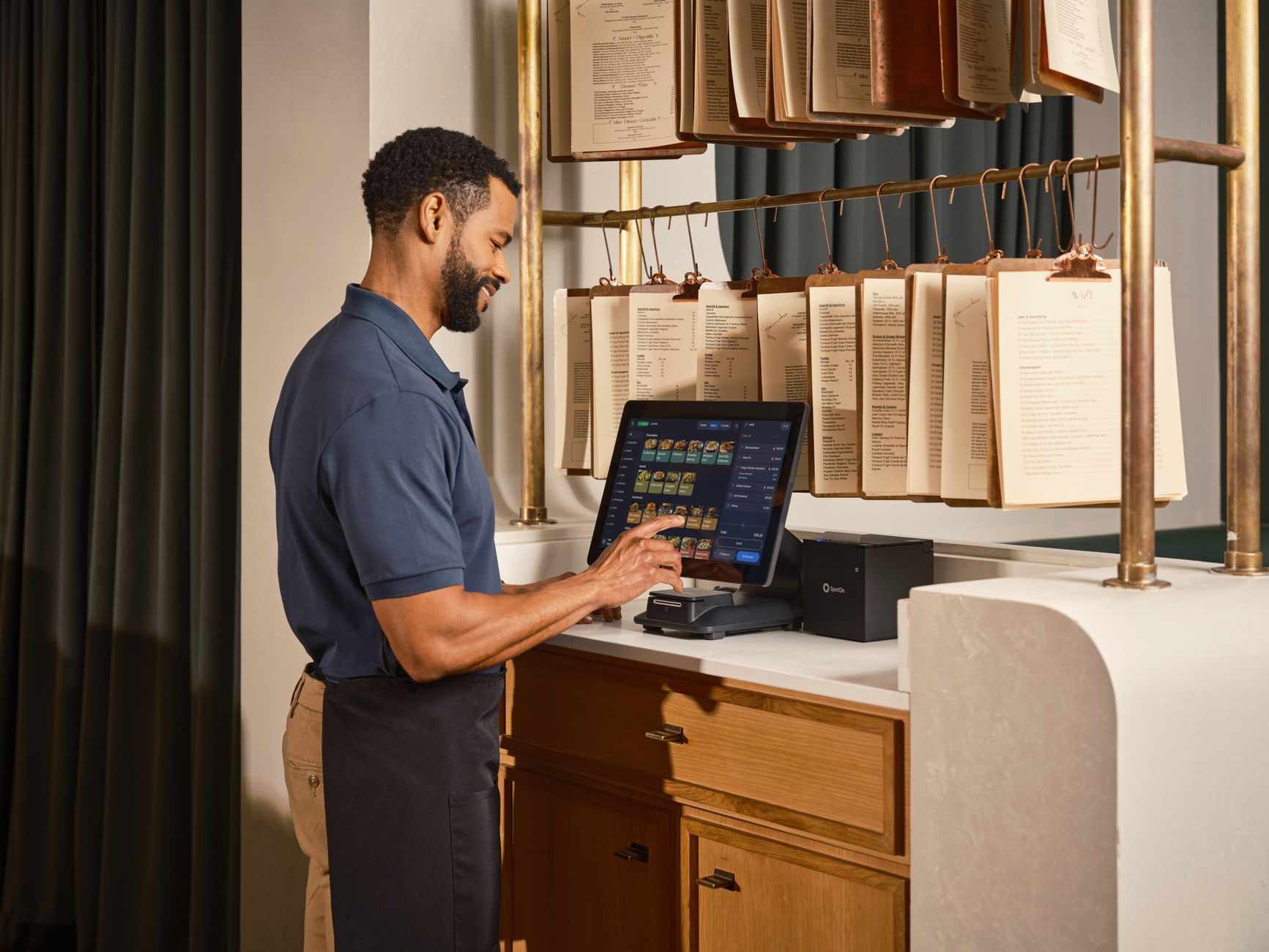
Most restaurant owners think scheduling is an admin problem. It’s not — it’s a profit problem.
Managers at independent restaurants spend an average of 8–12 hours a week on scheduling. That’s paid time producing a document that breaks the moment someone calls in sick on a Friday. Multiply that by 52 weeks and you’ve lost one full work month per manager, per year, before a single customer walks through the door.
Every major scheduling platform now offers a free trial or a permanently free tier. You have zero excuse to still be running your floor on a shared Google Sheet.
TL;DR
- Homebase, 7shifts, and Sling all offer genuinely useful free plans — not crippled demos.
- A free trial for restaurant scheduling software typically runs 14–30 days with full features unlocked.
- The right tool cuts scheduling time by 70%+ and reduces no-shows through automated shift reminders.
What does restaurant employee scheduling software actually do differently from a spreadsheet?
A spreadsheet shows you who’s working when. Scheduling software connects that roster to real-world friction — the stuff that makes restaurants hard to run. It handles availability windows (so you stop scheduling the line cook who has class every Tuesday morning), tracks certifications (so you don’t put your only food-handler-certified employee on a day off during a health inspection window), and sends automated reminders so “I forgot” stops being an excuse.
The shift-swapping feature alone is worth the switch. Instead of a group text chain that spirals into chaos, employees request swaps inside the app. The system checks that the replacement meets your rules — right role, right availability, no overtime — and notifies the manager for approval. Done in two taps.
The features that actually move the needle:
- Real-time labor cost tracking as you build the schedule (see your wage spend before you publish)
- Automated SMS and push notifications for schedule changes
- Availability management so employees self-report their windows
- Time clock integration that feeds directly into payroll
- Conflict detection that flags double-bookings and overtime before they happen
Most of this is available — at least partially — during a free restaurant employee scheduling software free trial.
Which restaurant scheduling software has the best free trial?
 Foto: RDNE Stock project
The field has narrowed to a handful of serious contenders. Here’s what each one gives you before you pay anything.
7shifts — best overall for full-service restaurants
7shifts offers a 14-day free trial of their paid tiers, plus a permanently free plan for single-location restaurants with up to 30 employees. The free plan is genuinely useful, not a bait-and-switch.
What you get on the free plan: drag-and-drop scheduling, shift trading, team messaging, basic time-off requests, and mobile apps for both managers and staff. What you don’t get: labor cost forecasting, advanced reporting, and payroll integrations.
For a small restaurant still figuring out whether scheduling software is worth the investment, the free tier covers everything you need for the first 6–12 months. The interface is clean, the mobile app is solid, and the onboarding is fast — you can have your first schedule built in under an hour.
7shifts is purpose-built for restaurants. It speaks your language: FOH, BOH, shift roles, tip pooling. You won’t spend time translating general HR software into food service reality.
Homebase — best for businesses with hourly workers across any industry
Homebase’s free plan covers unlimited employees at one location, which makes it competitive for single-unit operators. The free tier includes scheduling, time clocks, team messaging, and basic HR tools.
Where Homebase wins is the time-clock-to-payroll pipeline. Even on the free plan, the time clock captures punches and calculates hours. That data exports into payroll manually, or syncs automatically on a paid plan. For restaurants running lean and doing payroll themselves, this saves real time every pay period.
The trade-off: Homebase isn’t as restaurant-specific as 7shifts. The scheduling logic works, but there are no features tuned to tip reporting or BOH-specific role management. It’s a horizontal tool that works well for restaurants without being built exclusively for them.
When I Work — best for teams that text-first
When I Work offers a 14-day free trial with no credit card required. The trial unlocks everything — you’re testing the full product, not a sandboxed version.
The standout feature is the communication layer. When I Work treats shift communication like a messaging app. Employees open the same interface they use to check their schedule and send messages to coworkers, their manager, or the whole team. There’s no separate chat app to onboard everyone onto.
For restaurants where staff skews younger and lives on their phones, this frictionless communication model reduces the “I didn’t see the schedule” excuse significantly. Automated reminders go out before every shift. Managers can confirm reads.
After the trial, When I Work starts at $2.50/user/month — reasonable for a team of 15–30.
Sling — best if you want a permanently free option with no strings
Sling has a free plan that never expires and doesn’t cap your employee count. That’s unusual in this market.
The free tier covers scheduling, time-off management, and team messaging. It doesn’t include time clock functionality or labor cost tracking — those are paid features. But if your POS already handles time tracking, Sling as a pure scheduling and communication layer is hard to beat at zero dollars.
The interface is less polished than 7shifts or Homebase, but it’s functional. Large teams (50+ employees across multiple locations) report that the free plan starts showing its limits, but for a single-location restaurant under 40 staff, it holds up.
Is free scheduling software actually good enough, or will I hit a wall?
Depends on what “good enough” means for your operation.
If you’re a single location, under 30 staff, running one or two service types, the free tiers from 7shifts or Homebase cover 90% of what you need. You can schedule, communicate, track time off, and manage swap requests without paying anything.
The wall shows up when you need:
- Labor cost forecasting tied to your POS sales data — free plans rarely connect to your POS for demand-based scheduling
- Advanced overtime alerts — some free plans flag overtime after it happens, not before
- Multi-location management — nearly every free plan is single-location only
- Payroll integrations — direct sync to Gusto, ADP, or QuickBooks is almost always a paid feature
If you have three locations and 80 staff, start with the 14-day trial of a paid tier and evaluate that, not the free plan. You’ll be disappointed by the free version and conclude the software doesn’t work, when really you just outgrew the entry tier.
What’s the catch with free restaurant scheduling software?
The catch is one of three things: employee count limits, location limits, or feature gates.
Employee count limits are the most common. Homebase’s free plan allows unlimited employees but only at one location. 7shifts’ free plan caps at 30 employees. Sling has no cap but gates features.
Feature gates are where platforms make their money. Time clock, payroll sync, and labor analytics are almost always paywalled. These features matter — but they’re also features you can evaluate during a free trial before committing.
Location limits are the dealbreaker for multi-unit operators. If you’re running two or more locations, expect to pay. No major platform gives you multi-location management for free.
How long do free trials last, and what’s unlocked?
 Foto: RDNE Stock project
Quick reference for the main platforms:
- 7shifts — 14-day trial of paid plans; permanent free tier (30 employees, 1 location)
- Homebase — 14-day trial; permanent free tier (unlimited employees, 1 location)
- When I Work — 14-day trial, full features, no credit card required
- Sling — permanent free tier with no employee cap; paid plans from $1.70/user/month
- Deputy — 31-day free trial, full features, credit card required at signup
- HotSchedules (Fourth) — demo and trial available on request; primarily enterprise-focused
Deputy’s 31-day window is notable. A full month with all features gives you real data on whether the software fits your operation — one week isn’t long enough to test a scheduling tool through a realistic business cycle. The credit card requirement is a friction point, but the trial length partially compensates for it.
Do I need a credit card to start a free trial?
For most platforms: no, or it’s optional.
When I Work and 7shifts don’t require payment details to start a trial. Homebase’s free plan needs basic account info but no card. Deputy requires a card but won’t charge until day 31.
If a scheduling platform requires payment details upfront and has a short trial window, that’s a red flag. The legitimate players are confident enough in their product that they’ll let you test it without hostage collateral.
What happens when the free trial ends — will I lose my schedule data?
Your data doesn’t disappear. Every major platform keeps your account active at the end of a trial — you just lose access to paid features. Your employee roster, historical schedules, and time-off records stay intact.
What typically changes when a trial expires:
- You get downgraded to the free tier automatically (if one exists)
- Paid features become locked until you upgrade
- You may get email reminders or in-app prompts to add billing
The practical impact depends on the platform. If you were using 7shifts’ paid tier during the trial and relied on labor forecasting, losing that feature after day 14 is noticeable. If you were using When I Work’s full feature set and aren’t ready to pay, certain menu items lock until you add a card.
No one deletes your data. The business model runs the opposite direction — they want you invested enough in the tool that the cost of switching is higher than the monthly fee.
How do I actually pick the right one for my restaurant?

Start with your constraint, not the feature list.
If you have under 20 employees and one location: Start with 7shifts’ free plan. It’s purpose-built for restaurants, onboarding is fast, and you won’t hit the limits for a while.
If you already have a payroll headache: Try Homebase first. The time-clock-to-payroll pipeline is their strongest card.
If your staff is remote-resistant and communication-heavy: When I Work’s messaging-first design makes shift communication easier to standardize.
If you want zero cost forever and can live without time clock features: Sling’s permanent free plan is the answer.
Run one trial at a time. Testing three platforms simultaneously means nobody on your team learns any of them properly. Pick the one that fits your primary constraint, run it for the full trial period, build at least two real schedules in it, and decide from there.
Your Next Steps
1. Sign up for one free trial today — not next week. Go to 7shifts.com, wheniwork.com, or joinhomebase.com and create an account. Setup takes under 15 minutes. Build this week’s schedule in the tool instead of your usual method. You’ll know within one week if it fits.
2. Import your employee roster before anything else. Most platforms let you bulk-import staff via CSV or invite them by email/SMS. Do this first. A scheduling tool with no employees loaded is useless to evaluate. Get your team in the system, set their roles, and have them download the mobile app. The trial clock runs from day one.
3. Set a decision date before the trial expires. Put a calendar reminder for day 10 of your trial to review: Is this saving time? Are fewer shifts falling through the cracks? If yes, add billing. If not, switch to the next option on the list. Don’t let the trial expire without making a decision — that’s how “we’ll decide later” turns into another quarter running on a spreadsheet.
Frequently Asked Questions
What does restaurant employee scheduling software actually do differently from a spreadsheet?
Scheduling software automates real-world friction—availability windows, certifications, shift swaps, and reminders—preventing conflicts and no-shows. Spreadsheets only show who’s working; they can’t enforce rules or communicate changes.
How long are typical free trials for restaurant scheduling software?
Most major platforms offer 14–30 day free trials with full features unlocked, giving you enough time to test if the tool reduces your scheduling time by 70%+ before committing to a paid plan.
What features actually move the needle in restaurant scheduling software?
Real-time labor cost tracking, automated shift reminders (SMS and push), and availability management prevent scheduling conflicts and cut no-shows while freeing up 8–12 hours per manager per week.