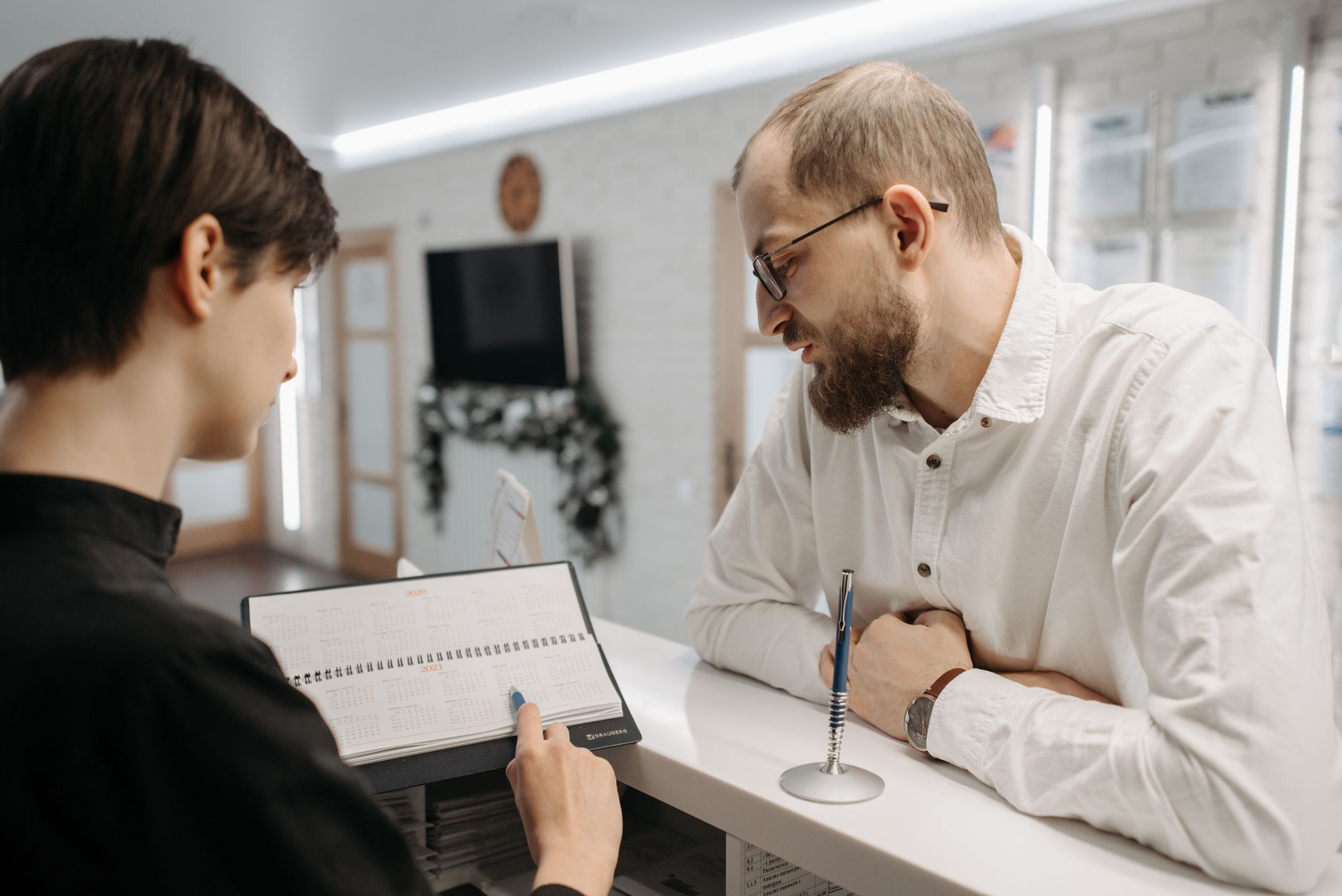
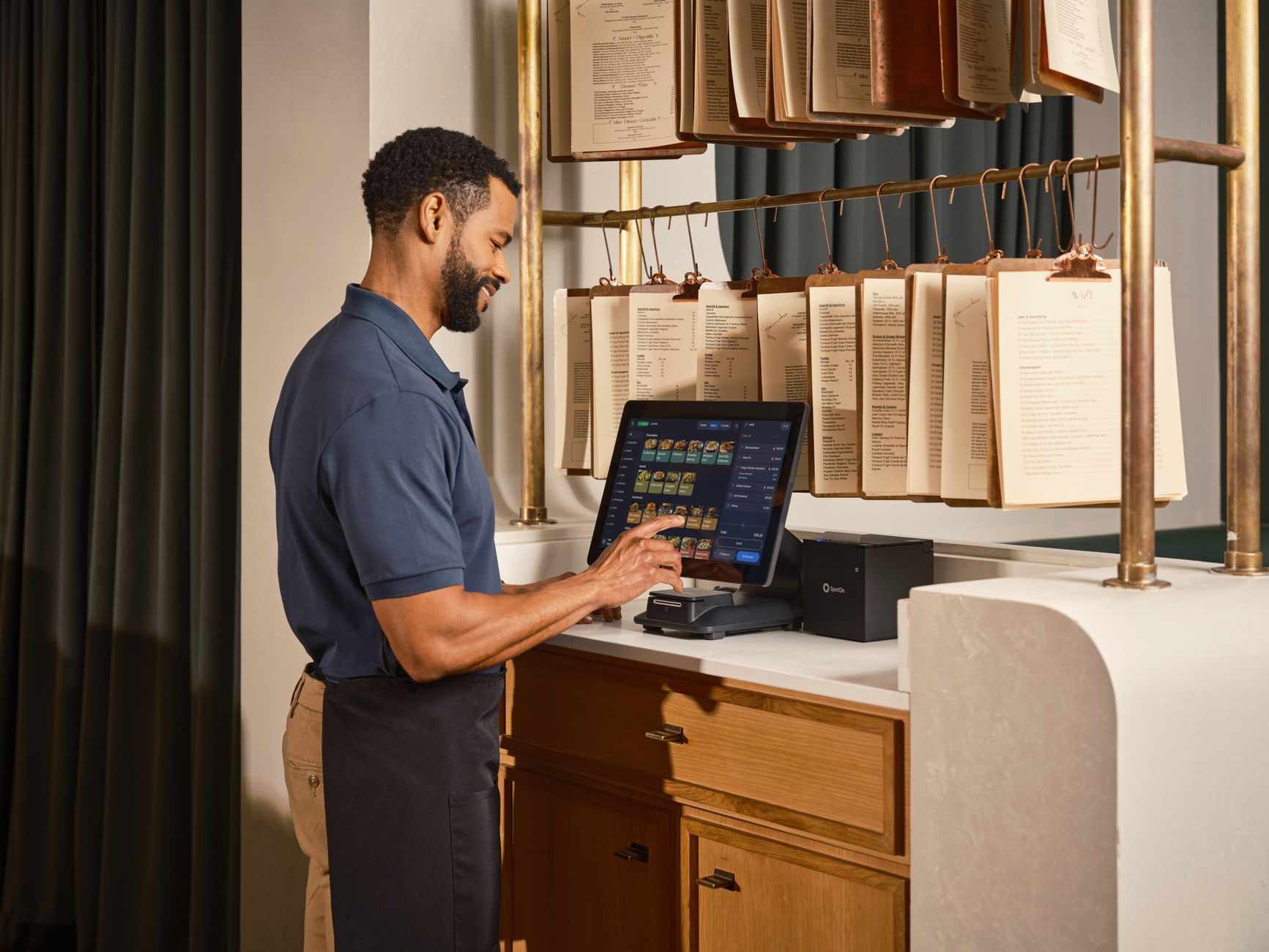
Yes, SMS appointment reminders work — and for home service businesses, they’re one of the highest-ROI things you can set up this week.
The average no-show rate for service businesses sits between 10% and 30%. If you’re running a plumbing company, cleaning service, HVAC repair, or landscaping business, each missed appointment is a lost time slot you can’t recover. A well-timed text reminder cuts that number dramatically — most businesses report 40–80% fewer no-shows after switching to automated SMS.
Here’s everything you need to know about making it work.
Do SMS reminders actually reduce no-shows, or is that just marketing?
The data is consistent across sources: Acuity Scheduling found automated text reminders reduced missed appointments by 45% on average across service businesses. Software Advice’s field service survey puts the no-show reduction even higher — closer to 60% — for businesses that send two reminders instead of one.
Why do texts work better than emails? Three reasons:
- Open rate: SMS sits at 98% open rate vs. 20–30% for email
- Speed: texts are typically read within 3 minutes of delivery
- Friction: no spam filter, no inbox clutter, no forgetting to check
For SMS appointment reminders for home service businesses specifically, your customers scheduled you days or weeks ago. Life happened since then — they forgot, double-booked themselves, or simply lost track. A reminder 24 hours before (and again 2 hours before) pulls them back to reality before you’re already parked in their driveway.
What’s the difference between a reminder and a confirmation?
A confirmation asks: “Can you still make it?” A reminder tells: “We’ll see you tomorrow at 2pm.”
For home services, reminders outperform confirmations. You don’t want to give customers an easy off-ramp the day before. You want to assume the appointment is happening and just keep them informed. If they need to cancel, they’ll respond — and that’s actually useful too, because it frees the slot for someone else.
The best approach: send a confirmation when the booking is made, then reminders as the appointment approaches. Two different jobs.
What should an SMS reminder actually say?

Keep it under 160 characters when possible (one SMS segment). Include:
- Your business name — they might not have your number saved
- The date and time — be specific
- What they booked — “AC tune-up” not just “appointment”
- A reply option — “Reply CONFIRM or CANCEL”
- Contact info — a callback number if they have questions
Here are trade-specific examples that stay under 160 characters:
HVAC:
“Hi Sarah — Mike’s HVAC here. Your AC tune-up is Thu Jun 19 at 2pm. Reply CONFIRM to hold your spot or call 555-0123 to reschedule.”
Cleaning service:
“Hi Tom — Bright Clean Co. Your home cleaning is Fri Jun 20 at 9am. Reply CONFIRM or CANCEL. Questions? Call 555-0198.”
Landscaping:
“Hi Maria — Green Edge Lawn. Your lawn service is Sat Jun 21 at 8am. Reply CONFIRM to hold or call 555-0145.”
Plumbing:
“Hi James — Rivera Plumbing. Water heater install is Mon Jun 23 at 10am. Reply CONFIRM or call 555-0167 to reschedule.”
Avoid these things in your message:
- Vague language like “your upcoming appointment” with no details
- Long URLs that eat character count
- Aggressive upsell language (“Don’t forget to ask about our premium package!”)
- Overly formal tone — this is a text, not a letter
How many reminders should you send?
Two is the sweet spot for most home service businesses.
- 24–48 hours before: main reminder, includes full details
- 2 hours before: brief check-in, especially useful for same-day bookings
A third reminder (1 week out) makes sense if your lead time is long — pool maintenance contracts, seasonal pest control, annual inspections. For same-day or next-day service calls, one reminder is usually enough.
Don’t over-send. Three or more reminders for a standard appointment starts feeling like harassment, and customers will opt out of your messaging entirely.
Which tools are best for home service businesses?
You have two categories to choose from: field service management software with built-in SMS, or standalone SMS tools you connect to your booking system.
Field service management with built-in SMS
These platforms handle scheduling, dispatching, invoicing, and reminders in one place:
- Jobber — built specifically for home service businesses (lawn care, cleaning, plumbing, HVAC). Automated reminders trigger based on your schedule. Includes two-way texting, client hub, and review requests. Starts around $49/month for solo operators.
- Housecall Pro — popular with small crews. Automated texts, customer messaging, and review requests built in. The $49/month Basic plan includes SMS reminders; the $129/month Essentials plan unlocks two-way messaging and more automation.
- Workiz — built for locksmiths, cleaning services, junk removal, and appliance repair. SMS reminders are included, easy to configure, and the platform supports voice calls from the same number. Starts around $45/month per user.
- ServiceTitan — enterprise-grade, built for larger HVAC, plumbing, and electrical operations. Reminders are highly customizable with conditional logic. Pricing is quote-based and significantly higher than the options above.
- FieldEdge — HVAC and plumbing focused, with solid reminder automation and service history tracking. Better fit for established shops than solo operators.
Standalone SMS tools
If you already have a booking system and just need reminders layered on top:
- SimpleTexting — straightforward, has automation triggers, integrates with many platforms via Zapier. Starts at $39/month for 500 messages.
- Twilio — developer-friendly, fully customizable, cheapest at scale ($0.0079/SMS in the US) but requires setup work upfront.
- EZTexting — simpler than Twilio, good for non-technical owners. Starts at $25/month.
- TextMagic — pay-per-message model ($0.04/SMS), good for lower-volume businesses that don’t want a monthly commitment.
- Podium — combines reviews, messaging, and payments; positioned for local service businesses. Starts around $399/month, which makes it a better fit once you’re scaling.
What if you use scheduling software that doesn’t have SMS?
Zapier connects almost everything. If your booking tool (Calendly, Acuity, Square Appointments) fires a trigger when a new appointment is created, Zapier can automatically send a text via Twilio, SimpleTexting, or any number of SMS services.
The key step most people miss: use Zapier’s “Delay Until” function to time the message correctly. Set the delay to trigger X hours before the appointment date/time field — not X hours after the booking is made. That distinction is what makes the reminder land at the right moment.
Setup takes a couple of hours, costs a few dollars a month in automation fees, and then runs on its own indefinitely.
Is it legal to send SMS reminders to customers?
 Foto: F1Digitals
In the US, yes — with conditions. The Telephone Consumer Protection Act (TCPA) governs commercial texting. The rules for appointment reminders are less strict than for marketing texts, but you still need to follow them.
Key requirements:
- Get consent at booking: have customers check a box or verbally agree that you’ll send them appointment-related texts
- Identify yourself in every message
- Include opt-out instructions: “Reply STOP to unsubscribe” — most SMS platforms handle this automatically
- Don’t text before 8am or after 9pm in the customer’s local time
In the UK, similar rules apply under the Privacy and Electronic Communications Regulations (PECR). Consent is required, and customers must be able to opt out easily.
The practical fix: add a clear consent checkbox to your booking form — “I agree to receive appointment reminders by text message.” That covers you. Most established SMS platforms (Jobber, SimpleTexting, Podium) build compliance features in by default — opt-out handling, time zone restrictions, and message templates that meet legal standards.
How do I actually set this up without wasting a day on it?
If you’re using a field service management platform, the setup is usually:
- Go to notification settings
- Enable SMS reminders
- Choose timing (24h before, 2h before)
- Edit the message template
- Make sure your customers have mobile numbers saved in their profiles
Most platforms walk you through it in under 20 minutes.
If you’re connecting tools via Zapier:
- Create a Zap triggered by “new appointment created” in your booking tool
- Add a “Delay Until” step referencing the appointment datetime field
- Connect to your SMS tool and configure the message
- Test with your own number before going live
What if I want two-way texting — can customers reply?
Yes, and you should enable it. Two-way SMS means when a customer replies “CANCEL” or “Can we move to Friday?” it routes back to you as a notification or lands in a shared inbox your team can manage.
Platforms like Jobber, Housecall Pro, Workiz, and Podium all support this natively. It pays for itself fast: customers who were going to no-show instead give you a few hours’ notice, which means you can fill that slot with someone on your waitlist. One recovered booking typically covers weeks of SMS subscription costs.
What about customers who prefer phone calls or email?
 Foto: Kari Alfonso
Let them choose, but don’t assume.
Most home service customers are in the 30–65 age range. SMS works for the majority, but some older customers genuinely prefer a call. The easiest approach: ask at booking. “What’s your preferred reminder method — text, email, or call?” takes 10 seconds and saves friction later.
For customers who prefer calls, you still need someone to make them — or an auto-dialer with a pre-recorded message. More friction and more cost than SMS, but worth accommodating regulars or high-ticket accounts.
Email reminders should always run alongside SMS regardless. Not as a replacement — as a backup. Email hits the inbox 24 hours out, text hits 2 hours out. Different channels, different timing, better coverage.
Common Mistakes to Avoid
- Sending from a no-reply number: If customers can’t respond, you lose cancellation signals. Always use a number that accepts replies.
- Generic messages with no service details: “You have an appointment tomorrow” is useless. Include what was booked, the time, and your business name. Every time.
- Ignoring time zones: If your software defaults to your time zone and a customer is two states away, your “2 hours before” text arrives at midnight. Always reference the customer’s local time.
- Skipping opt-out handling: If a customer replies STOP and keeps getting texts, you’re violating TCPA and destroying trust. Use a platform that handles this automatically.
- Only sending a booking confirmation, then nothing: The confirmation isn’t a reminder. A separate text 24 hours before is non-negotiable — people forget.
Summary
 Foto: stevepb
| Question | Short Answer |
|---|---|
| Do SMS reminders reduce no-shows? | Yes — by 40–80% for most home service businesses |
| How many reminders should I send? | Two: 24–48 hours before, then 2 hours before |
| What should the message include? | Business name, date/time, service type, reply option, contact number |
| Best tools for home service? | Jobber, Housecall Pro, Workiz (all-in-one) or SimpleTexting + Zapier |
| Is it legal? | Yes, with consent at booking and opt-out in every message |
| Can customers reply? | Yes — use two-way SMS to capture cancellations and reschedules |
| What about customers who want calls? | Ask at booking, accommodate if possible, always back up with email |
If you’re running appointments and not sending SMS reminders yet, this is the one change worth making before anything else. Pick a platform — Jobber if you want everything in one place, SimpleTexting + Zapier if you already have a system you like — spend an afternoon on setup, and watch your no-show rate fall.
The text message you configure today will fire automatically for every appointment you book from here on out. That’s leverage.
Frequently Asked Questions
Do SMS reminders actually reduce no-shows, or is that just marketing?
No. Acuity Scheduling found automated text reminders reduce missed appointments by 45% on average, with up to 60% reduction for businesses sending two reminders instead of one.
Why do SMS texts work better than email reminders?
SMS has a 98% open rate versus 20-30% for email, texts are read within 3 minutes of delivery, and they bypass spam filters and inbox clutter entirely.
What’s the difference between a reminder and a confirmation?
A confirmation asks customers if they can still make the appointment; a reminder assumes the appointment is happening. For home services, reminders outperform confirmations because they don’t give customers an easy cancellation path.